
Writing is a skill that grows stronger with daily practice. You don’t need hours of free time or expensive courses to improve. Even when you’re focused on other activities like https://duitsegoksites.nl/ or handling daily tasks, you can still find moments to sharpen your abilities. The key is building small, sustainable habits that fit into your regular routine.
Many people think writing improvement requires dramatic changes. That’s not true. Small daily actions create the most lasting progress.
Start with Morning Pages
Morning pages are three handwritten pages you complete first thing each day. This practice clears your mind and loosens up your writing muscles.
Don’t worry about grammar or making sense. Just write whatever comes to mind. Stream of consciousness works perfectly here.
The goal is movement, not perfection. Your hand moves across the page, and your brain wakes up. This takes about 30 minutes and sets a creative tone for your day. Some mornings will feel easier than others. That’s completely normal.
Read Widely and Actively
Reading feeds your writing. You absorb new vocabulary, sentence structures, and storytelling techniques without even trying.
Mix up your reading materials. Switch between fiction and non-fiction. Try poetry one day, journalism the next. Pay attention to how authors construct their sentences. What makes a paragraph flow smoothly? Which transitions feel natural?
Choose Diverse Materials
Your reading list should include different voices and styles. This variety expands your writing toolkit.
Consider these options:
- Classic literature from different eras.
- Contemporary blogs and online articles.
- Technical writing in your field.
- Personal essays and memoirs.
- Industry publications.
- Short stories and flash fiction.
Keep a notebook nearby while reading. Jot down phrases that catch your attention or techniques you want to try.
Practice Different Writing Forms
Sticking to one type of writing limits your growth. Branch out regularly to develop versatility.
Try writing a product description on Monday. Draft a personal email on Tuesday. Compose a social media post on Wednesday. Each form teaches different skills.
Different formats require different approaches. A tweet demands brevity and punch. An email needs clarity and structure. A story requires pacing and description. This variety keeps practice interesting. You won’t get bored doing the same thing repeatedly.
What writing forms have you avoided because they seem difficult? Those are exactly the ones you should try.
Set Small Daily Goals
Big goals feel overwhelming. Small targets create momentum and build confidence over time.
Commit to writing 200 words daily. That’s roughly one paragraph. Most people can manage this in 15-20 minutes. The consistency matters more than the quantity. Writing 200 words every single day beats writing 2,000 words once a month.
Track your streak. Watching those consecutive days add up provides motivation to keep going.
Get Feedback Regularly
Writing in isolation only takes you so far. Other perspectives help you spot blind spots and improve faster. Share your work with trusted readers. Ask specific questions about what works and what doesn’t.
Not all feedback will be useful. Learn to distinguish between subjective preferences and genuine improvement suggestions.
Find Your Writing Community
Connect with other writers who understand the struggle and celebrate the progress. Online writing groups provide accountability and support. Local writing workshops offer face-to-face interaction and immediate feedback.
These communities normalize the challenges you face. Everyone struggles with blank pages sometimes. Everyone gets frustrated with revisions.
Trading feedback with peers creates mutual growth. You learn by critiquing others’ work, too.
Track Your Progress
Monitoring improvement keeps you motivated and shows patterns in your development.
Create a simple tracking system. Note what you wrote, how long it took, and how you felt about it.
Weekly writing progress tracker:
| Day | Words Written | Type of Writing | Time Spent | Reflection |
| Monday | 250 | Blog post | 20 min | Felt stuck at first |
| Tuesday | 300 | Journal entry | 15 min | Ideas flowed easily |
| Wednesday | 200 | Email draft | 25 min | Struggled with tone |
| Thursday | 400 | Story outline | 30 min | Excited about the concept |
| Friday | 250 | Product description | 20 min | Good practice |
Review your tracker weekly. You’ll notice patterns about when you write best and which topics energize you. This data helps you optimize your practice schedule. Maybe you’re sharper in the morning or more creative late at night.
Edit Everything You Write
First drafts are supposed to be messy. The real writing happens during revision. Wait at least a few hours before editing your work. Fresh eyes catch more issues than tired ones.
Read your writing aloud. Your ears catch awkward phrases your eyes miss. Clunky sentences become obvious when spoken.
Cut unnecessary words ruthlessly. Strong writing is tight writing. Every word should earn its place.
Learn One New Technique Weekly
Constant learning prevents plateaus and keeps your skills evolving. Focus on one specific technique each week. Maybe it’s using stronger verbs or varying sentence openings.
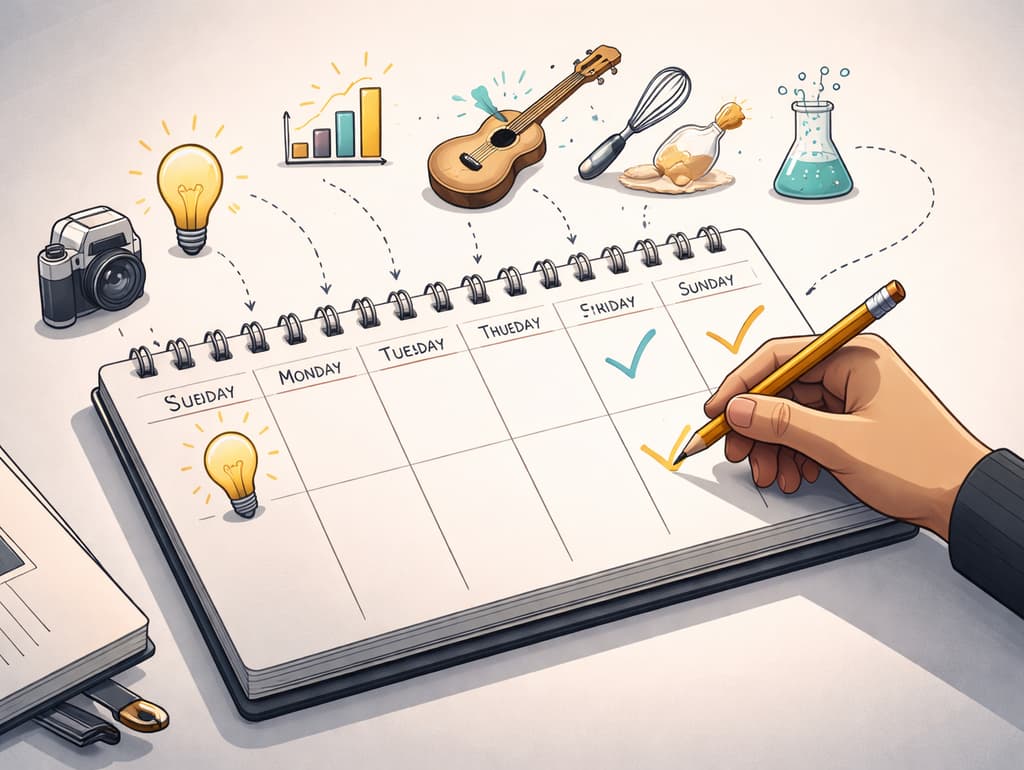
Apply this technique in all your daily writing. Repetition turns techniques into automatic habits. By year’s end, you can master 52 different skills. That’s substantial growth from small, focused efforts.
Conclusion
Developing writing skills daily doesn’t require dramatic lifestyle changes. It needs consistency, curiosity, and willingness to experiment. Start with one or two habits from this article. Build from there as they become natural.
Your writing will improve gradually. Some days will feel like breakthroughs, others like setbacks. Both are part of the process. Keep showing up, keep putting words on the page, and trust the journey.